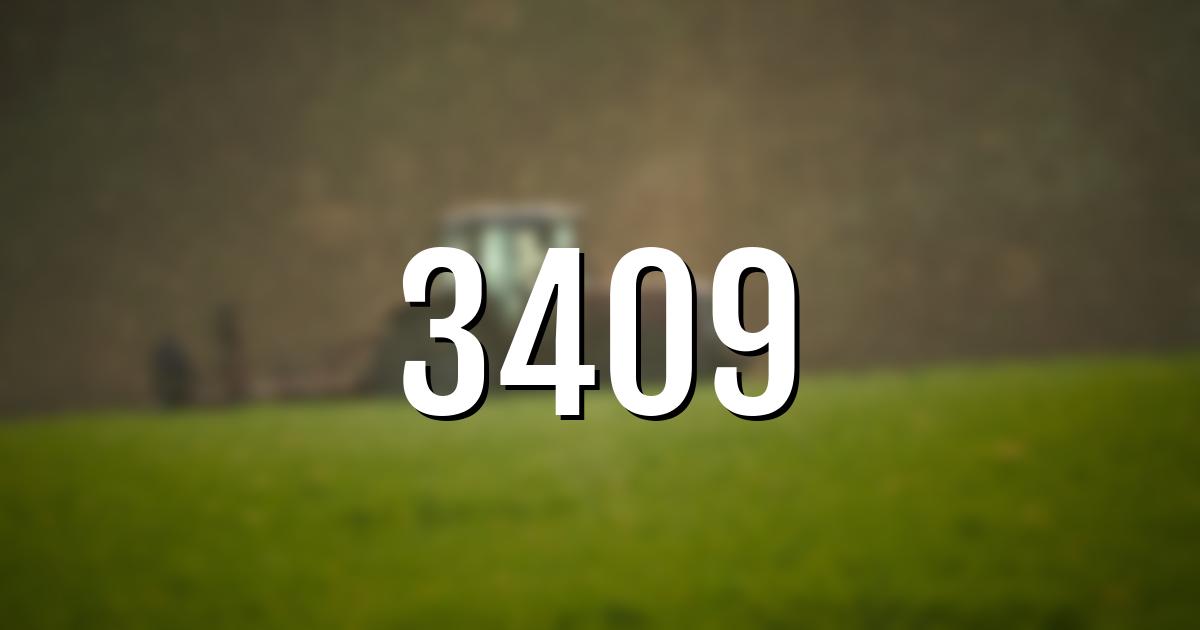
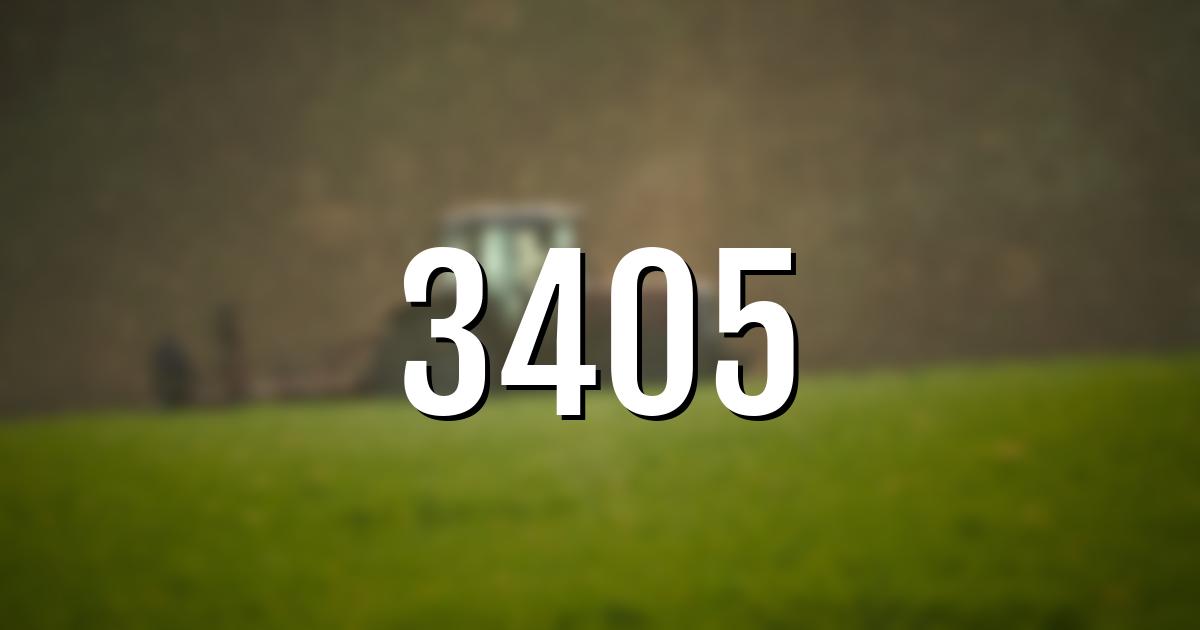
| Tractor Error Code | 1803 Error Code |
| Description | DPF Exhaust Temp Sensor High (ISM-IDI) Check engine light on. Sensor reading above normal range. |
Tractor error code 1803 indicates a problem with the ISM-IDI DPF Exhaust Temperature Sensor, which is out of range high. This error code is usually displayed as an amber warning light on the dashboard. The symptoms of this error code include reduced engine power, increased fuel consumption, and black smoke emissions.
The cause of this error code is often a faulty sensor or a wiring issue.
Repairing this error code is of high importance as it can lead to serious engine damage if left unaddressed. The difficulty of repairing this error code varies depending on the cause, but it is generally considered a moderate repair. Possible fixes include replacing the sensor or repairing the wiring.
Decoding 1803: Tractor Error Code Symptoms
The error code 1803 indicates that the DPF exhaust temperature sensor is reading a high out-of-range value, which triggers an amber warning light.
- The error code 1803 indicates that the DPF exhaust temperature sensor is out of range high.
- This error code can cause several symptoms, including increased fuel consumption, reduced engine power, black smoke emissions, and engine misfires.
- Additionally, the tractor may experience reduced acceleration, poor throttle response, and increased exhaust emissions.
- It is important to address this error code promptly to prevent further damage to the engine and ensure optimal tractor performance.
Unveiling The Causes Of Error Code 1803
The error code 1803 in tractors is caused by the DPF exhaust temperature sensor being out of range high, which can result in symptoms such as increased fuel consumption, reduced engine power, black smoke emissions, engine misfires, reduced acceleration, poor throttle response, and increased exhaust emissions. It is crucial to address this error code promptly to prevent further damage to the engine and ensure optimal tractor performance.
- The error code 1803 is caused by the DPF exhaust temperature sensor being out of range high.
- This can lead to increased fuel consumption, reduced engine power, black smoke emissions, and engine misfires.
- The tractor may also experience reduced acceleration, poor throttle response, and increased exhaust emissions.
- It is important to address this error code promptly to prevent further damage to the engine and ensure optimal tractor performance.
Resolve Error Code 1803 In Minutes With This Simple Fix
To fix error code 1803 on your tractor, you need to replace the DPF exhaust temperature sensor that is out of range high. Promptly addressing this issue is crucial to prevent further damage to the engine and ensure optimal tractor performance.
- To fix error code 1803 on a tractor, the DPF exhaust temperature sensor needs to be checked.
- First, the sensor should be inspected for any damage or corrosion.
- If the sensor is damaged, it should be replaced.
- Next, the wiring and connections to the sensor should be checked for any damage or loose connections.
- If any issues are found, they should be repaired or replaced.
- Finally, the tractor’s engine control module should be reset to clear the error code.
- After completing these steps, the tractor should be tested to ensure that the error code has been resolved and that the tractor is operating optimally.
1803 Error Code: Expert Fix In 2 Hours
To fix error code 1803 on a tractor, the DPF exhaust temperature sensor needs to be checked for damage or corrosion. If the sensor is damaged, it should be replaced.
The wiring and connections to the sensor should also be checked for any damage or loose connections, and repaired or replaced if necessary. Finally, the tractor’s engine control module should be reset to clear the error code. After completing these steps, the tractor should be tested to ensure optimal performance.
The error code 1803 on a tractor indicates that the DPF exhaust temperature sensor is out of range high. This can cause several symptoms, including increased fuel consumption, reduced engine power, black smoke emissions, and engine misfires. The tractor may also experience reduced acceleration, poor throttle response, and increased exhaust emissions.
To fix this error code, the DPF exhaust temperature sensor needs to be checked for any damage or corrosion.
If the sensor is damaged, it should be replaced. The wiring and connections to the sensor should also be checked for any damage or loose connections. If any issues are found, they should be repaired or replaced.
Finally, the tractor’s engine control module should be reset to clear the error code. The cost of fixing this error code will depend on the repair time and required tools, with most tractor repair shops charging between $75 and $150 per hour.
Decoding Tractor Error Code 1803
Tractor error code 1803 is a common issue across various tractor brands. It indicates that the DPF exhaust temperature sensor is out of range high.
This error code can cause several symptoms, including increased fuel consumption, reduced engine power, black smoke emissions, and engine misfires. In addition to these symptoms, the tractor may also experience reduced acceleration, poor throttle response, and increased exhaust emissions.
It is crucial to address this error code promptly to prevent further damage to the engine and ensure optimal tractor performance. Ignoring this error code can lead to severe consequences, such as engine failure and costly repairs. Therefore, it is recommended to seek professional assistance to diagnose and fix the issue.
Regular maintenance and inspection can also help prevent this error code from occurring in the first place.
Cracking The Code: Decoding Tractor Error 1803
Tractor error code 1803 is a common issue across various tractor brands, indicating that the DPF exhaust temperature sensor is out of range high. This error code can cause several symptoms, including increased fuel consumption, reduced engine power, black smoke emissions, and engine misfires. Additionally, the tractor may experience reduced acceleration, poor throttle response, and increased exhaust emissions. Ignoring this error code can lead to severe consequences, such as engine failure and costly repairs. It is recommended to seek professional assistance to diagnose and fix the issue promptly. Regular maintenance and inspection can also help prevent this error code from occurring in the first place.
The cost of fixing the high exhaust temperature sensor error code 1803 on a tractor can vary depending on the brand and model of the tractor, as well as the severity of the issue. It is recommended to seek professional assistance to diagnose and fix the issue promptly to prevent further damage to the engine and ensure optimal tractor performance. The repair may be labor-intensive, as it involves accessing and replacing the sensor. Regular maintenance and inspection can help prevent this error code from occurring in the first place, saving time and money in the long run.
Tractor error code 1803 indicates that the DPF exhaust temperature sensor is out of range high. This can cause several symptoms, including increased fuel consumption, reduced engine power, black smoke emissions, and engine misfires. Additionally, the tractor may experience reduced acceleration, poor throttle response, and increased exhaust emissions. It is crucial to address this error code promptly to prevent further damage to the engine and ensure optimal tractor performance. While regular maintenance and inspection can help prevent this error code from occurring, it is recommended to seek professional assistance to diagnose and fix the issue. DIY fixes are not recommended as they may cause further damage to the engine.

1803 Error Code: Wrapping Up The Wrenching Woes
Tractor error code 1803 indicates that the DPF exhaust temperature sensor is out of range high, causing symptoms such as increased fuel consumption, reduced engine power, and black smoke emissions. To fix this, the sensor needs to be checked for damage or corrosion, and the wiring and connections should be inspected.
The engine control module should also be reset.
Seek professional assistance to prevent further damage.