Sand point well AKA Driven well can be the easy to install and portable water solution. Sand point well problems are maintenance cost and risk of contamination.
An average American household consumes about 300 gallon water everyday. 70% of this 300 gallon is for indoor uses only. That includes cooking and washing. As off gridders, we need even more water for our plants and animals. Can a sand point well be the solution to our water problem?
Let me share my view of it.
Getting safe drinking water is one of the major struggles of living off-grid. We either get a source far from home or a source with unsafe water. There are usually just two ways about it. It feels like you might just stick to the only options you have and try all the purification methods you know to make it as safe for consumption as possible.
Before you resort to those options, I need you to hold on for a second – all hope isn’t lost just yet. With a sand point well, you can gain easy access to potable water without having to walk a long distance. Stick with me as I show you how my family and I have access to safe water for years now while living off-grid.
What is Sand Point Well?
A sand point well, otherwise known as a Driven Point Well, is a shallow source of water gotten from parts of the ground with a high water table and an area surrounded and filled with sandy soil. This water source is extracted from not more than 25ft below the ground, making it the cheap and easy method for off-gridders.
How Does Sand Point Well Work
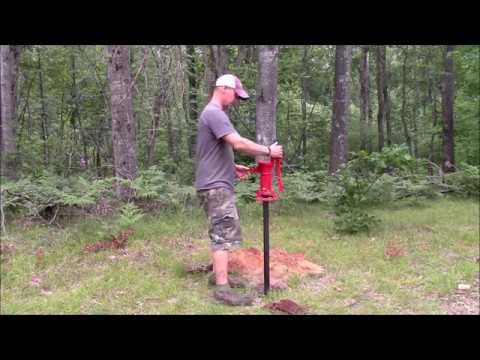
The main idea behind using a sand point well is to keep the sand underground out and let the water in. A sand point well comprises of metal with thick walls and a pointy steel end is known as the sand point that makes it possible to pound into the ground till the water table is reached.
The sand point is perforated to keep sand particles out and is attached to a sturdy pipe that is long enough to be kept above ground level to install a pump. The pump extracts the water from the ground to where it is needed for use.
Sand Point Well Problems
As perfect as a sand point well may seem. There are downsides to it that are almost discouraging. Here are a couple of disadvantages associated with the installation of a sand point well:
Low Discharge Rate
Since the depth of a sand point well is low and water is solely drawn from sand and gravel aquifers, it is almost impossible for a large amount of water to be discharged. Most times, the weather condition dramatically affects the supply of water. Where water is relatively scarce in summer and abundant in rainy seasons.
Maintenance Cost
The pump requires special care and maintenance to sustain its performance. To increase its longevity and reduce damages, maintenance is necessary. Frequently cleaning it and checking if all connections are in the right order is a good start.
Impure Water
The water supply in sand point wells depends on the natural gradient of the ground materials, which discharges water that isn’t clean enough for consumption.
Risk of Contamination
Sand point wells are prone to contamination as the surface seal is usually inexistent. However, this issue can be fixed with the installation of well casing and well caps.
Sand Point Well Advantages
Approximately 785 million people in the world do not have a potable water source close to home, and off-gridders aren’t exempted from this global crisis. Here are some of the key reasons why a sand point well can be the best water source for you:
Inexpensive
The installation of a sand point well doesn’t cost as much as drilling an actual well. You don’t have to break the bank just so you can get water while living off-grid.
Easy to Install
The tools used are usually small. They make drilling a well smooth and precise operation with fewer damages done to the environment. The installation process is also easy, with fewer comprehendible steps.
Portable
The size and easy installation process of a sand point well make it possible to be installed in your preferred location on your property. This way, keeping your sand point well away from contaminants and close enough to your cabin is possible.
Encourages sanitation
The structure of a sand point well encourages the use of a well casing, well cap, and a hand pump that reduces its exposure to contaminants. Generally, the size and structure of a sand point well keep the well water as safe and potable as possible.
High safety level
In the installation and use of sand point wells, the chances of an accident happening are very low. A sand point well does not pose a threat, and it is safe to use, especially for little kids with little supervision required, especially when a hand pump is installed.
Can you drill a Well Anywhere?
Yes, you can. The earth is made up of 71% water. However, only 0.3% of this water is safe for consumption.
There is always water below the ground for every location you visit, and this varies across regions. When it rains, the earth also gives room for this liquid to reach the bedrock through cracks in the earth, providing room for more water access.
While the question of whether or not you can drill a well anywhere still stands. It is not dependent on the geographical composition of that region, but the laws and authorities guiding the activities being carried out in that environment.
Does a Deeper Well Mean Better Water?
Over the years, there has been a controversy concerning the potability of well water being dependent on its depth. While this isn’t entirely true, knowing why it is crucial to fully understand if the depth of a well guarantees water quality.
The depth of a well is relative to the water table of the area where it is to be dug. Generally, a well is considered to be deep if it is 50ft or more below ground level. Deeper wells are said to produce better water because they do not get contaminated as easily as shallow wells, especially in cases of oil spillage, erosion, or fire outbreak.
Contaminants also take a while to get to your water source or may never get there at all. However, deeper wells also give room for stale water development since it takes a more extended period to get to the surface for use.
For what Contaminants Should a Well be Tested?
Yearly, close to one million people die from diseases caused by the consumption of unsafe water. At least once a year, you should test your well for the following contaminants:
- Nitrates
- Volatile Organic Compounds (VOC)
- Ions
- Sulfate
- Fluoride
The contaminants to be tested for is dependent on the region where your well is located. Only an expert can determine what test is to be carried; reaching out to the right department on environmental issues is the only way to be sure.
How to Protect Well from Contaminants
Over 15 million households in the U.S consume water from private wells, which are not as safe as public wells guided by the Environmental Protection Agency (EPA). To keep your well water safe for consumption, here are some important ways to keep contaminants out of your well water:
Install and Inspect the Well Casing
A well casing should be installed and be at least 12 inches high. This way, contaminants that can get to the well from its surrounding surface has restricted access to your well water. For extra protection, install a well cap too. Over time, they should also be inspected and repaired when damages and cracks are present.
Keep Potential Contaminants Away from the Well
Dispose of and store all chemicals, oils, waste in appropriate tanks and containers. Keep these storage forms far from the well area too.
Leaving the Landscaping area Clear
The land area around your well should be void of fertilizers, pesticides, and plants that can attract birds and insects. Keep the site as clear as possible to prevent possible contamination.
Keep Records
All records on your well’s installation, repair, and maintenance processes should be properly kept for future references and easy problem identification.
Seal Abandoned Wells
In cases where there are abandoned wells, filling it up or sealing it is the best option. Abandoned wells give contaminants easy access to groundwater, and they cause a lot of accidents too.
Prevent Backflow
Keep contaminated water from getting back into your well by installing between your irrigation system and well, a double check valve backflow preventer.
Keeping hoses away from contaminating materials too is an important preventive measure.
What do I do if Water Tests Indicate that the Well Water is not Safe?
The surest way to confirm that your well water is safe and suitable for consumption is testing it. Sometimes, these tests are carried out, and the well water is contaminated and could be detrimental if consumed. In situations like this, it seems like all hope is lost, and you might need to look for another area to dig another well, but there are better options.
You don’t need to abandon the contaminated well. If your well water is contaminated and unsafe for consumption, here are some steps to take to purify it:
- Take a closer look at the test results and identify contaminants
- Identify the sources of contamination
- Disinfect your well using chlorine
- Take another test to see if the disinfection process was effective
- Use your safe water
In cases where the second test is done and contaminants are still present, consider installing water disinfecting equipment. In the meantime, look for an alternative source of water: boil and filter before consumption.
Common Questions and Answers about the Sand Point Well
Now you see that it is possible to get potable water in your yard without having to walk a thousand miles. Sand point wells have been saving the lives of off-gridders for some decades now. However, it is vital to prioritize the sanitary processes to keep your water safe for consumption and eliminate contaminants that put your health at risk. A sand point well indeed does facilitate off-grid living.